Operations
QSR is losing its lunch to monofoods – here's what they can do about it
Traditional QSRs are losing market share to specialized "monofood outlets" that excel in unique flavor, simplicity and customer experience, and must therefore adopt similar strategies to remain competitive.
December 19, 2025 by George Gottl — Chief Creative Officer, Spatial Design, FutureBrand
 ChatGPT
 Grok
Grok Perplexity
 Claude
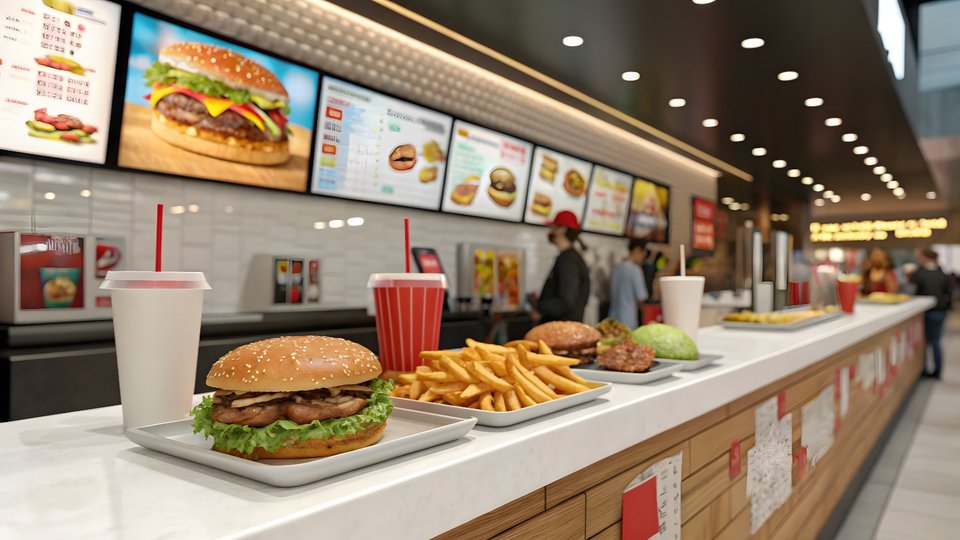
Offering 'fast food' is no longer unique to traditional 'quick service' brands. In fact, long-standing QSR chains are increasingly under threat from monofood outlets. People can get great meals at those places that serve a perfect plate of one specific food – the ramen bowl, the French-fries-only, the vegetarian burger concept that offer authentic taste and keep to one menu item (but with the same speed and affordable price tag as traditional QSR).
As such outlets are becoming increasingly popular, fast-food outlets with their ever-expanding menus feel more antiquated in comparison. Their USP used to be the cheap and cheerful alternative to 'appetizer-entrée-dessert' sit-down meals. However, their focus on convenience and speed means they are now losing their lunch to monofoods that have the taste while also offering inherently Instagrammable moments of delight. More than 70% of GenZers and 60% of Millennials say they typically find out about restaurants on social media. No wonder the likes of Wendy's, Jack in the Box and Pizza Hut are experiencing declining demand and being forced to close underperforming stores – they just can't keep up with consumer shifts alongside increasing competition.
So how can long-standing QSR chains rise to the challenge? By borrowing some of the monofood magic to boost their own brands. Here's how:
Craft a unique flavor signature
What has driven the success of monofood brands is their ability to create unique flavor signatures that no one else offers. Enduring monofood favorite Wingstop's 'lemon pepper' seasoning, for example, has led to a strong social media fanbase, with numerous mentions in popular culture (in songs by artists such as Lizzo and Drake and TV show Atlanta); while in the UK it was crowned by The Sunday Times 100 as the fastest growing restaurant group for the third year running. Its flavor has arguably built the brand's entire identity.
Similarly, The Halal Guys in New York has built a keen following off the back of its 'white sauce', a cult flavor that has driven frantic social media copying and frequent queues outside its outlets. Some traditional fast-food chains do offer such 'only-available-here' flavors – McDonald's burger sauce for example. But the key is to recognise (and hero) them effectively.
Do fewer things better
While many traditional fast-food outlets have expanded their menus over the years (think a chicken shack branching out into wraps, salads and burgers, or a pizza place offering hot wings), success these days seems to be linked more to focusing on one thing, with few distractions.
Raising Cane's offer of chicken fingers with just a few sides has led to a recording-breaking year of growth; while Dave's Hot Chicken's steadfast menu of spicy chicken tenders and sliders has helped it become 'America's fastest-growing restaurant' and seen it acquired by Roark Capital for $1 billion earlier this year. At a smaller scale, Miami saw the launch of Cotoletta — a new restaurant that focuses on just classic veal Milanese and garnered instant social media buzz.
Turn dining into a chance for connection
But the success of monofoods doesn't just lie in their product and simple menus, they also know how to build an engaging experience around those. Fast food chains need to remember that they're not just about speed and optimization, but also about connection and conversation.
Monofood outlets are often good at this — for some, even the wait to secure a table can turn into an exciting event itself, while interiors often feature local cues and concepts that tell an engaging story. Traditional fast-food chains should do the same – represent local cultures in some way, for example, or place the food-making process at the heart of the experience. Why not embrace ritual more, and rediscover what made them great in the first place? It would help foster a deeper sense of connection and pride, transforming the venue from generic fast-food location into a cherished local spot.
The key to such success lies in embracing quality, simplicity, authenticity and experience, qualities that the monofood restaurants do well, and that resonate deeply with today's consumers. In emulating elements of this approach, QSR brands can grow the appetite for the stories they offer — not just how quickly they deliver.
About George Gottl

Subscribe
Get the latest news and resources from QSR Web.
Recent Posts