Operations
How Church’s Texas Chicken uses real estate discipline to drive franchise growth
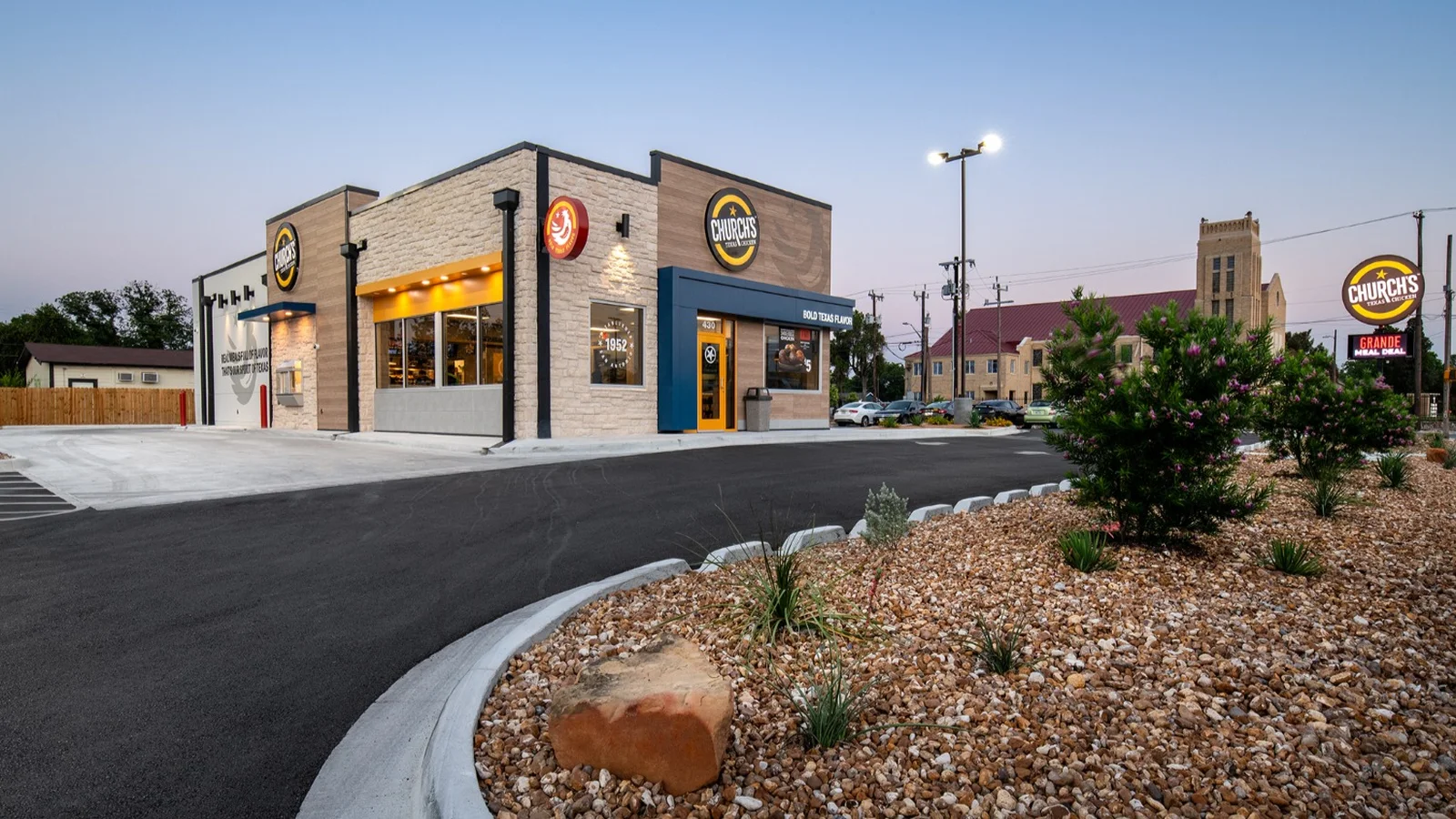
Church’s Texas Chicken is bucking the fast-food trend of large, expensive experiential builds by pivoting to a "simplify and amplify" strategy, utilizing smaller, hyper-efficient restaurant footprints that cut construction costs in half, open new urban markets and boost operational efficiency and franchise growth.
June 25, 2026 by Mandy Wolf Detwiler — Editor, Connect Media
 ChatGPT
 Grok
Grok Perplexity
 Claude
While many major QSR brands are investing heavily in massive, "design-led reinventions" and visually striking experiential builds, Church's Texas Chicken is intentionally bucking the trend by proving that less can be significantly more. Guided by the philosophy of "simplify and amplify," Chief Development Officer Bobby Morena is spearheading a highly efficient, development-led expansion strategy that prioritizes smaller footprints and operational simplicity over aesthetic over-complexity.
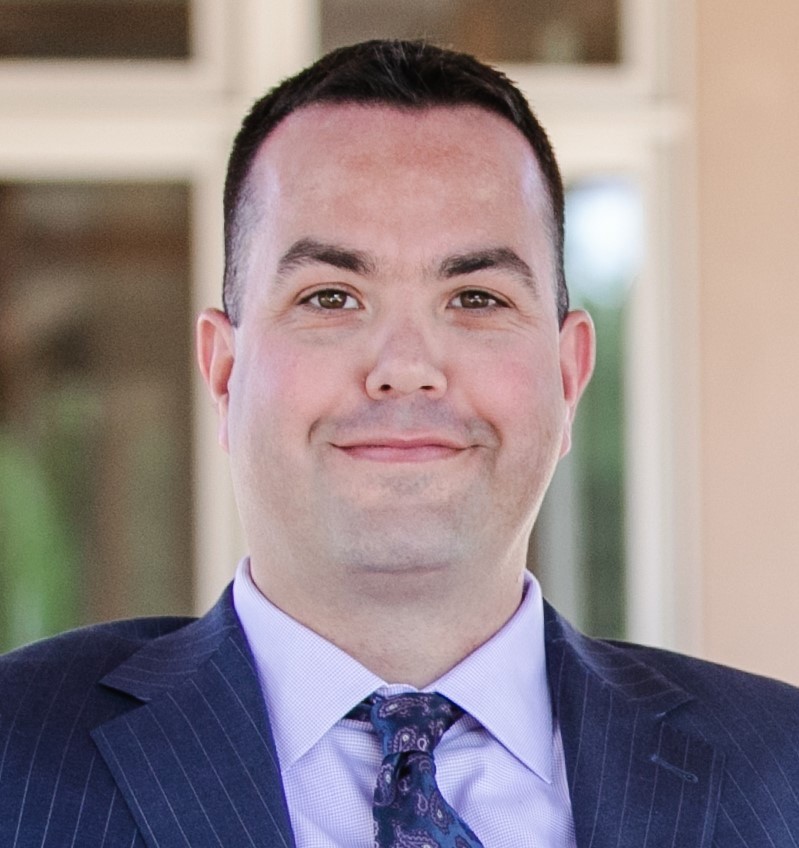 |
Bobby Morena, CDO for Church's Texas Chicken. Photo: Church's Texas Chicken |
By shrinking restaurant layouts from 1,800 square feet down to highly flexible 1,100- to 1,400-square-foot spaces — including a hyper-efficient 1,000-square-foot prototype — the brand has managed to slash build costs to nearly half that of its major bone-in chicken competitors. Far from compromising performance, this real estate discipline has unlocked previously unfeasible urban markets, accelerated average unit volume (AUV) growth, and driven significant improvements in service speed and overall guest satisfaction. In this exclusive Q&A, Morena breaks down how keeping both the physical footprint and the core menu streamlined serves as the brand's ultimate catalyst for sustainable franchise growth.
Q:Many major QSR brands are currently investing heavily in "design-led reinventions" and larger, visually striking experiential builds. Why is Church's Texas Chicken bucking this trend and betting that a development-led, smaller footprint approach is the truer path to sustainable expansion?
Morena: We introduced our current Blaze design in 2021 as a big step toward a more modern look compared to the traditional Church's restaurants. Since then, about 65% of our franchise system has been updated, and we're on track to be nearly fully converted by the end of 2028.
While refreshing the brand was important, we also made sure the design stayed cost-friendly, so it appeals to customers while still being affordable for both our franchisees as well as ourselves, as we operate approximately 170 company-operated locations. Every new restaurant we've opened since 2021 has been built using the Blaze design.
We've also reduced the size of our restaurants, going from about 1,800 square feet down to a range of 1,100 to 1,400 square feet. Even with the smaller footprint, we've continued to see average unit volumes grow.
Q: In your view, why has operational simplicity become a more powerful driver of modern QSR innovation than chasing the latest aesthetic trends or menu complexities? How do you keep the brand modern without making it complicated?
Morena: Church's Texas Chicken has always been about great food at a great value. While we do run targeted limited-time offers throughout the year, we're not focused on constantly adding to our core menu.
Instead, we've doubled down on what made us popular in the first place — our signature bone-in chicken. It's still the star of the show and has clearly been a big driver behind our strong AUV growth over the past three years, especially in 2026.
Q: Church's new 1,000-square-foot prototype is a stark contrast to traditional industry footprints. What specific types of real estate and market opportunities does this hyper-efficient model unlock that were previously off-limits or financially unfeasible for the brand?
Morena: The "Compact" design we introduced last year gives us a lot more flexibility, especially in urban areas where space is tight and adding a drive-thru can be challenging. Compared to most of our bone-in chicken competitors, who typically need larger, more expensive sites, this smaller format requires less land and is more cost-efficient.
It also opened our eyes to new opportunities beyond traditional locations. The smaller footprint works well in captive venues and other non-traditional spaces that previously wouldn't have been a fit for our brand.
Q: Shrinking a restaurant's physical footprint by such a significant margin requires a complete rethinking of physical space. How does this smaller design specifically address modern operational pressures like labor efficiency, service times, and overall kitchen throughput?
Morena: Moving from an 1,800-square-foot layout to a 1,100– to 1,400-square-foot space hasn't hurt our operations. In fact, it's improved them. Over the past three years, we've reduced service times while also seeing our OSAT scores climb significantly.
The smaller kitchen pushed us to be more efficient and intentional with how we use space. Our Design and Construction and Operations teams worked closely together to refine the layout down to the details. That partnership continues today, with both teams staying aligned and making small adjustments whenever we find new ways to improve speed and efficiency.
Q: A primary goal for any chief development officer is driving franchise growth. How do the lower upfront real estate costs and structural predictability of this new prototype redefine the economic value proposition for both existing and prospective franchisees?
Morena: Lower costs are a big advantage for us. Our prototype comes in at about 50% less than many of our bone-in chicken competitors, which opens a lot more real estate opportunities that may not have worked for us before.
We're also actively exploring partnerships with preferred developers, as we believe our model is a very attractive build-to-suit option.
It's also worth noting that we're not limited to ground-up builds like many of our competitors. We've already opened several restaurants in second-generation spaces and plan to keep pursuing those opportunities, especially in the current environment, where it feels like there's another brand announcing closures almost every week.
Q: Given your extensive background scaling footprint-disciplined brands like Jimmy John's, what core development lessons are you applying here to ensure this "go smaller to grow bigger" strategy accelerates Church's toward its $2 billion system sales goal?
Morena: One of the biggest lessons I took from my 20-plus years at Jimmy John's is to simplify and amplify. Customers come back to brands they trust, and from a development standpoint, that starts with having a consistent look and feel from coast to coast, along with a reliable experience in both service and product quality.
By keeping things simple, whether it's the build-out or the menu, we give our operators and franchisees a better chance to deliver that consistent experience. And in the end, that's what drives repeat visits and helps grow the business.
Q: The brand is actively exploring technology integrations, including kiosk testing. How do you seamlessly weave digital tech into a tighter, 1,000-square-foot footprint without compromising guest convenience or creating unnecessary operational clutter?
Morena: We are continuing to evaluate and deploy digital technologies that fuel our AUV growth and simplify the guest experiences. Guests appreciate and engage with brands that offer a range of ordering channels; our explosive growth in online ordering is an example of that. Kiosk technology is a logical next step in our order channel expansion, and we have some upcoming trials to gauge their potential contribution to our business and our guest experiences.
When we trial new technologies, we use our 167 corporate-owned stores and franchise locations. Our corporate stores help us build and refine the solution and how it's rolled out, while the feedback we receive from our franchise partners is invaluable in helping us tune our approach.
Q: Streamlining physical kitchen space could easily clash with culinary innovation. How do your development and design teams collaborate with the test kitchen and culinary staff to ensure that core menu quality — like hand-battered, small-batch fried chicken — remains uncompromised in a smaller kitchen footprint?
Morena: As I mentioned earlier, our Design and Construction team stays closely connected with our Operations team, along with our chefs and culinary partners. We have regular weekly check-ins to make sure everyone stays aligned and no one is working in a silo or getting too far ahead without input from others. It really comes down to strong communication.
Even with more than 1,500 locations around the world, we operate as a tight-knit team. Everyone understands that we have something special, and every decision we make needs to work for our franchisees, our operators, and the communities they serve. That's what matters most.
About Mandy Wolf Detwiler

Mandy Wolf Detwiler is the Pizzamarketplace.com and QSRweb.com editor for Connect Media. An award-winning journalist, Mandy brings more than 20 years’ experience covering food, people and places. Mandy has been featured on the Food Network and has won numerous awards for her coverage of the restaurant industry. She has an insatiable appetite for learning, and, yes, she can tell you where to find the best pizza slices in the country.
Related Media
Subscribe
Get the latest news and resources from QSR Web.
Recent Posts



Recent Podcasts