Operations
The next generation of QSRs part 4: Building the restaurant of the future
The restaurant of the future will recognize that technology and hospitality are not competing priorities, and that innovation isn’t the destination — the guest is.
August 19, 2026 by Valerie Gritton
 ChatGPT
 Grok
Grok Perplexity
 Claude
Editors note: This is the fourth article in our 4-part series on the next generation of quick-service restaurants. This four-part series explores the forces reshaping the next generation of quick-service restaurants, examining the new economics of value, loyalty and AI, operational strategies and the restaurant of the future.
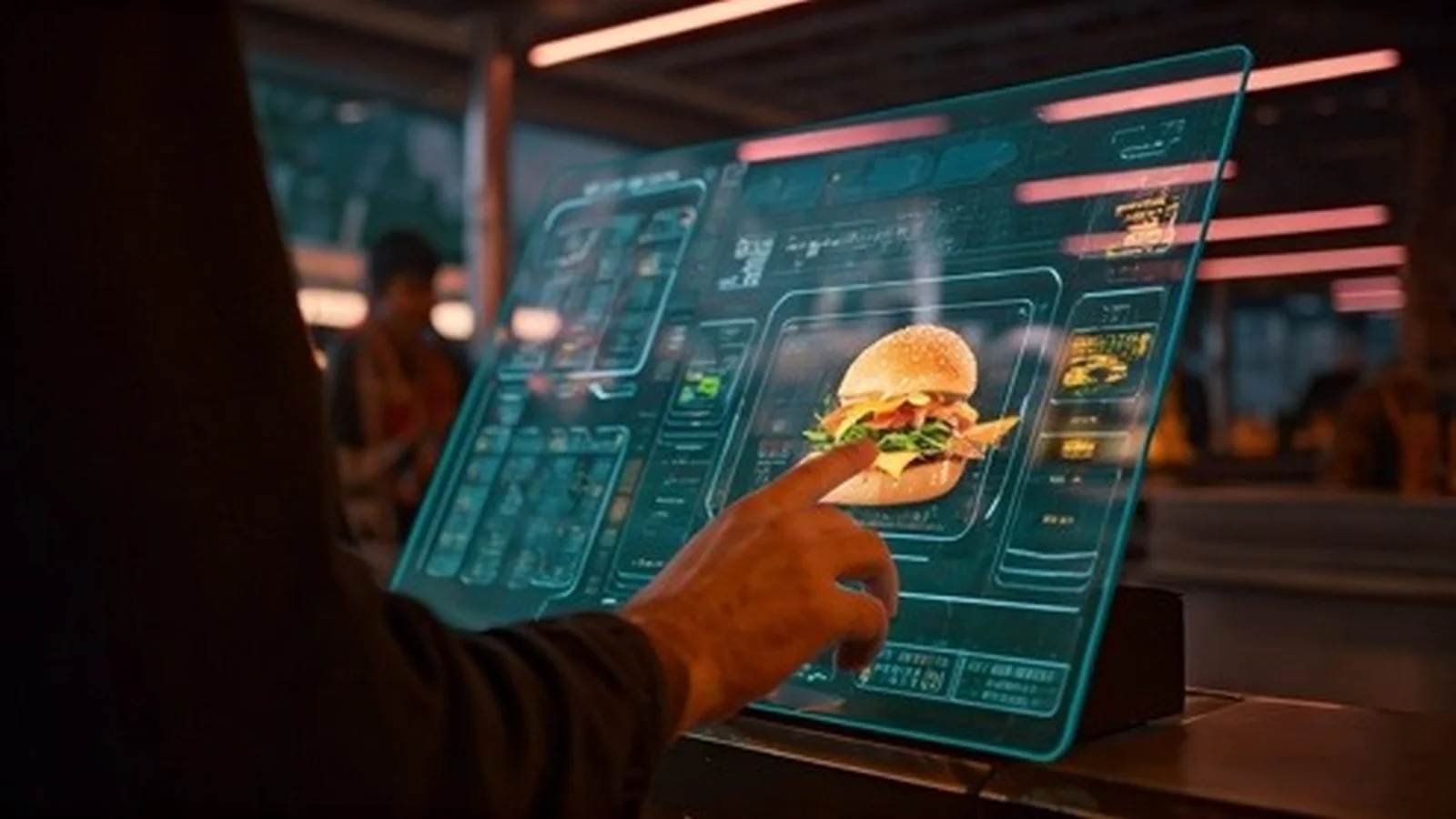
As we enter the Age of Aquarius, an era defined by technology, innovation and a fundamental shift in how we connect, the restaurant of the future will put those forces at the forefront, transforming not just how we order and eat, but the entire dining experience. But at the center of all of it will be something far less futuristic: the customer.
If Covid taught us anything, it's that people still yearn for human connection. And restaurants today are primed to lead consumers into an age where both technology and connection come together. This can be seen as loyalty and personalization co-mingle to create experiences that foster deeper connections between restaurants and their guests.
According to the 2023 U.S. Department of Health and Human Services advisory, "Our Epidemic of Loneliness and Isolation," U.S. Surgeon General Dr. Vivek H. Murthy framed social connection, and its lack thereof, as a major public-health issue.
"The mortality impact of being socially disconnected is similar to that caused by smoking up to 15 cigarettes a day, and even greater than that associated with obesity and physical inactivity," Murthy said in the advisory. "And the harmful consequences of a society that lacks social connection can be felt in our schools, workplaces and civic organizations, where performance, productivity and engagement are diminished."
Murthy goes on to say that we, as a country, have an opportunity and an obligation to invest in social connection in the same way we have addressed tobacco use, obesity and addiction.
"If we fail to do so, we will pay an ever-increasing price in the form of our individual and collective health and well-being. And we will continue to splinter and divide until we can no longer stand as a community or a country," he says.
Restaurants are primed to help address this call as they have historically been seen as places where people come together. Walk into any quick-service restaurant open at 7 a.m. and you can see this in action as groups are gathered around cups of coffee or eating breakfast with their young children. Quick-service restaurants have sustained travelers on road trips, fed families through heartache and joy, provided sustenance for volunteers, and acted as rallying points for community fundraisers.
This is not likely to change; however, through advancements in technology and innovative thinking, it can be turned into something even better.
Just ask Burger King's president Tom Curtis, who gave out his phone number as a way to connect with customers and put their needs in the lead. The company's biggest takeaway: guests want to be a part of the company's experience.
"There were so many learnings coming out of the listening line that will guide future brand decisions for years to come, but one of the most important things we learned is that our guests are passionate and loyal, and they want to play an active role in creating an even better Burger King together," said a Burger King spokesperson in an email to QSRweb.
That's a strong message for a company whose fan base is deeply invested in the brand. And it's a reminder that the restaurant of the future isn't simply about giving guests more ways to order or more menu options; instead, it's giving them a voice in shaping the experience.
And then there's Patty
As restaurants increasingly leverage AI and other digital tools, the opportunity is not simply to make operations more efficient, but to make hospitality more human. Technology can take on the operational complexity that gets in the way of service, giving employees more time and freedom to focus on the guest. Burger King's approach illustrates what that can look like in practice.
"Restaurants are a people-first business, and we see technology playing a role in helping our team members, not replacing them. Technology supports our partners in running more efficient restaurants, but our people will always be essential in delivering exceptional hospitality and service," the company said. "That's why we're investing in our teams and thinking differently about their role in the restaurant, and why our technology is focused on giving people tools they need to spend more time with the guest versus on operations procedures."
And then there's "Patty," the name given to Burger King's BK assistant, voiced into an AI-powered headset to help restaurant employees with everything from recipes to inventory management, digital menu updates, and operational issues. But it's most important feature: helping to identify hospitality behaviors like employees saying "please," "you're welcome" and "thank you," with the stated goal of helping managers coach and reinforce customer service.
"We are testing Patty because the day-to-day reality of running a restaurant has gotten incredibly complex, and spending too much time on operational challenges can take away from delivering a great guest experience," a Burger King spokesperson said. "The biggest learning through BK Assistant has been that technology and AI is best used when it's supporting our team members through the reality of running a restaurant, alerting them of things like the ice cream machine being down, or the soda running low, versus using it to replace or replicate the human interaction between our guests and teams."
BK's "Patty" leans into the art of blending technology with connection as companies shift their perspective to leverage AI assistants and other tech tools to foster human connection rather than replace employees.
"Restaurants are a people-first business, and we see technology playing a role in helping our team members, not replacing them," Burger King said. "Technology supports our partners in running more efficient restaurants, but our people will always be essential in delivering exceptional hospitality and service."
As part of its people focus, Burger King announced in April a push to hire another 60,000 employees in an ongoing effort to put guests at the forefront. The company also rolled out its reimagined Your Way Champion managerial role in July, giving guests a clear point of contact during their visits and empowering in-store leaders to have a "guest-first mindset."
"At Burger King, hospitality means making every guest feel welcomed, heard and taken care of throughout their visit. And that starts with empowering our restaurant teams to bring that hospitality to life," the company said. "Ultimately, better hospitality isn't about asking our team members to simply "be nicer," it's about giving them the support, tools, and authority to create a better experience for guests and making that meaningful for our teams, too."
Full circle
While hiring has become easier as the restaurant labor market has normalized, turnover remains a persistent challenge as the industry's quit rate has averaged 4.3% so far this year, according to the National Restaurant Association. This underscores why operators such as Burger King are increasingly focused on giving employees the tools, training and support they need to be successful. It's not just one stakeholder that matters for the success of the brand: it's all of them. The best brands so far understand they can't put the guest first without also investing in the people who serve them.
In that sense, the Age of Aquarius may already be taking shape inside the restaurant industry. The next generation of QSRs won't be defined simply by how much technology they deploy, but by how thoughtfully they use it to create better experiences, empower their people and deepen their connection with the customer.
"For us, the future restaurant isn't about choosing between technology and people, it's about using both thoughtfully to create the best possible guest experience," Burger King said.
Related Media
Subscribe
Get the latest news and resources from QSR Web.
Recent Posts


Recent Podcasts