Restaurant Catering Workshop
4 places where your catering program is leaking revenue
When you treat every catering order as a relationship worth tending to, the revenue follows. When you treat it as a transaction to fulfill and move on from, you stay stuck chasing new orders because you keep losing the ones you already had.
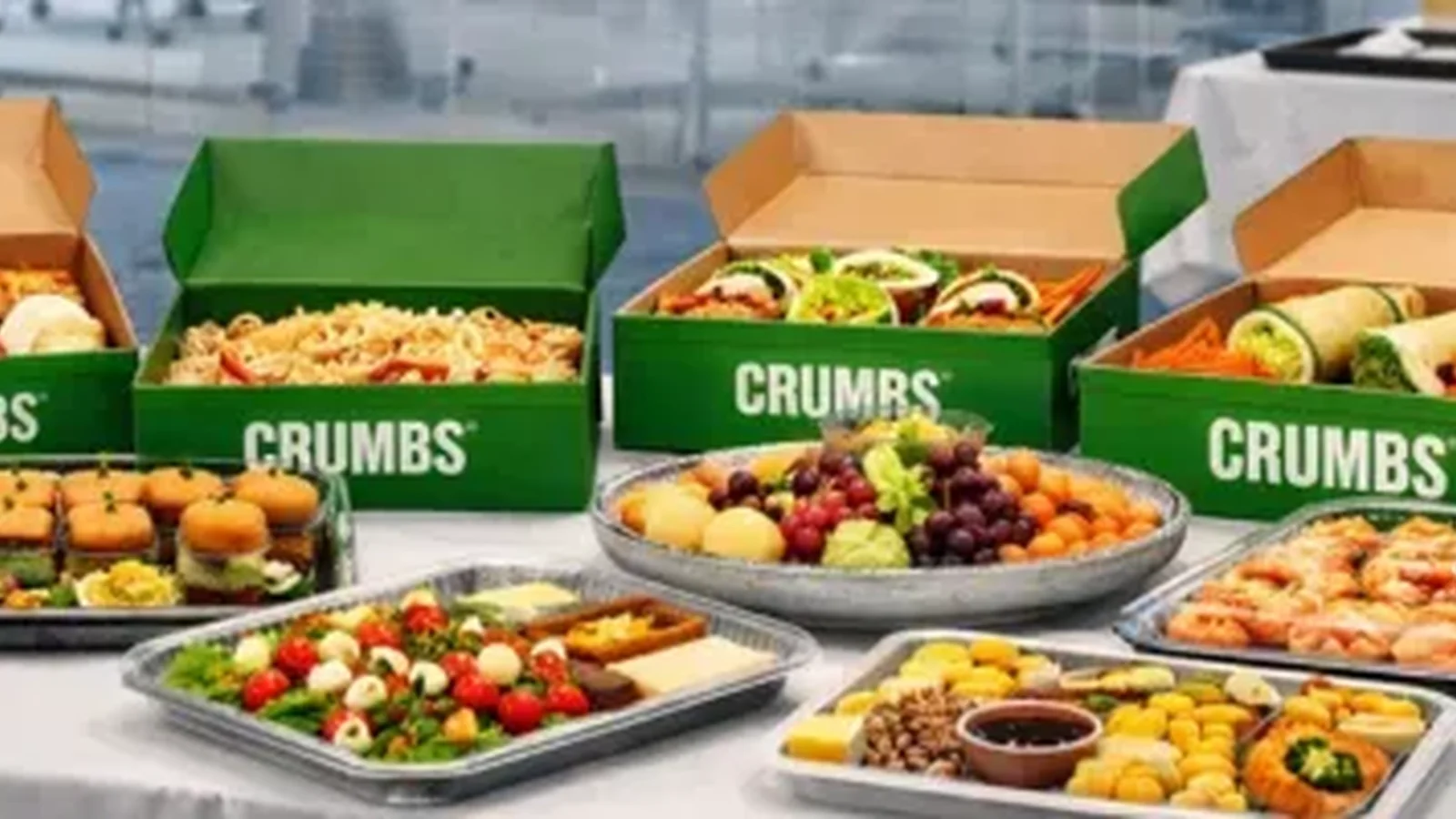
April 20, 2026 by Kelly Grogan — Founder, CRUMBS
 ChatGPT
 Grok
Grok Perplexity
 Claude
Most operators look to catering for the easy revenue. Catering orders are larger tickets, predictable timing, and scalable in ways that walk-in traffic just is not. But the operators who actually build a catering program that grows consistently? They figured out something else along the way.
Caring is the thing that makes catering work.
Not in a soft, inspirational-poster kind of way. In a very practical, repeatable, this-is-how-you-keep-the-account kind of way. When you treat every catering order as a relationship worth tending to, the revenue follows. When you treat it as a transaction to fulfill and move on from, you stay stuck chasing new orders because you keep losing the ones you already had.
There are four places where caring either shows up or it does not in the restaurant.
1. Your team
If your front-of-house team does not know how to take a catering inquiry, or your kitchen does not know that a 50-person order is coming in Thursday, or your manager treats catering as a distraction from the lunch rush, then no amount of marketing is going to save your program.
Caring about catering has to be a company-wide thing. That means your team understands why catering matters, not just what to do with it. When your staff sees catering as a real revenue driver and a way to showcase what you do to a broader audience, they treat it differently. They handle the phone call with urgency. They flag the order during prep. They pack it like it matters, because it does.
That does not happen by accident. It happens when leadership talks about catering with the same energy as anything else on the P&L. Your team takes the temperature from you. If you are casual about it, they will be too.
2. Your customers
The person who placed a catering order just introduced you to a room full of people who have never tried your food. That is not a transaction. That is an opportunity.
Most operators do not think about it that way. They execute the order, close the ticket, and move on. But the guest experience does not end at delivery. It ends when the last person at that meeting finishes eating and decides whether or not your brand is worth remembering.
Caring about your catering customers means following up. A simple check-in after an order, a thank you, a note asking how the event went. It sounds small. It is not. That follow-up is what separates a one-time order from a standing account. It signals that there is a real person behind the order, not just a kitchen cranking out food.
It also means making it easy for them to come back. Clear ordering process. Consistent communication. No surprises on delivery day. The bar for what feels like exceptional customer service in catering is honestly not that high, because most people have been let down by it. When you clear that bar, you stand out.
3. Your product
Not every item on your menu travels well. Not every portion size works for a group. Not every packaging decision holds up an hour after pickup.
Caring about your product in the context of catering means being honest about what actually works off-site, and building a catering menu around that instead of just checking every box.
A tighter, well-executed catering menu outperforms a bloated one almost every time. Fewer items means fewer mistakes, more consistency, and a cleaner experience for the customer. It also makes it easier for your team to execute during busy service periods without catering feeling like a burden.
Think about the full journey of the food: from when it leaves your kitchen to when it hits the table at the event. What does it look and taste like at that point? That is the experience your customer is evaluating. If you have not thought through that part, it is worth spending some time on it before you scale up your volume.
4. Your Partners
You cannot grow catering alone. The vendors, platforms, and service providers behind your operation either support your catering program or quietly work against it.
Your packaging supplier matters. If your containers do not travel well, your food does not arrive well. Your delivery partner matters. A late or sloppy drop-off reflects on your brand, not theirs. Your technology partners matter. The platforms you sell through, the tools you use to manage orders, the systems that help you follow up with customers, all of it shapes the experience on both ends.
The operators who treat these relationships as strategic, who communicate clearly, give honest feedback, and show up as a real partner rather than just a customer, tend to get better service, better terms, and better outcomes. That is not luck. That is how partnerships work.
Build your catering program with partners who actually understand the catering space. Not every vendor does.
Caring at scale means building the standards and the culture to deliver consistently, not just when it is easy.
Catering grows when people trust you. Customers trust you when you follow up and make it easy. Your team delivers when they understand why it matters. Your product holds up when you have thought through the off-site experience. Your partners send more business when you consistently show up.
All of it comes back to the same thing. You cannot automate your way to a catering program that actually grows. You can build systems, use the right tools, and put smart processes in place. But the foundation is whether you genuinely care about the experience you are delivering on every side of it.
Make sure you are CARING about your CATERING! 💚
Want to gain the ultimate catering playbook?
Register here for the Restaurant Catering Workshop, Oct. 6-7 in Arlington.

Upcoming Events
Restaurant Catering Workshop
October 6-7, 2026 | Arlington, TX
Discover the strategies and tools you need to build a winning catering operation. Whether you're starting out or refining your catering business, this workshop is your key to success.
View AgendaRegister NowAbout Kelly Grogan
Kelly Grogan is a seasoned hospitality leader with expertise in driving revenue, scaling businesses, and optimizing catering and marketing programs. Known for creative problem-solving and a hands-on approach, Kelly has collaborated with major restaurant brands to enhance visibility and profitability. Specializing in business development, team leadership, and operational excellence, Kelly helps brands build community connections, drive growth, and unlock untapped revenue potential.
Related Media
Subscribe
Get the latest news and resources from QSR Web.
Recent Posts


Recent Podcasts