Food & Beverage
Analysis: KFC’s US Coke switch is about more than the cola wars
October 16, 2026 by Valerie Gritton — Editor, Connect Food
 ChatGPT
 Grok
Grok Perplexity
 Claude
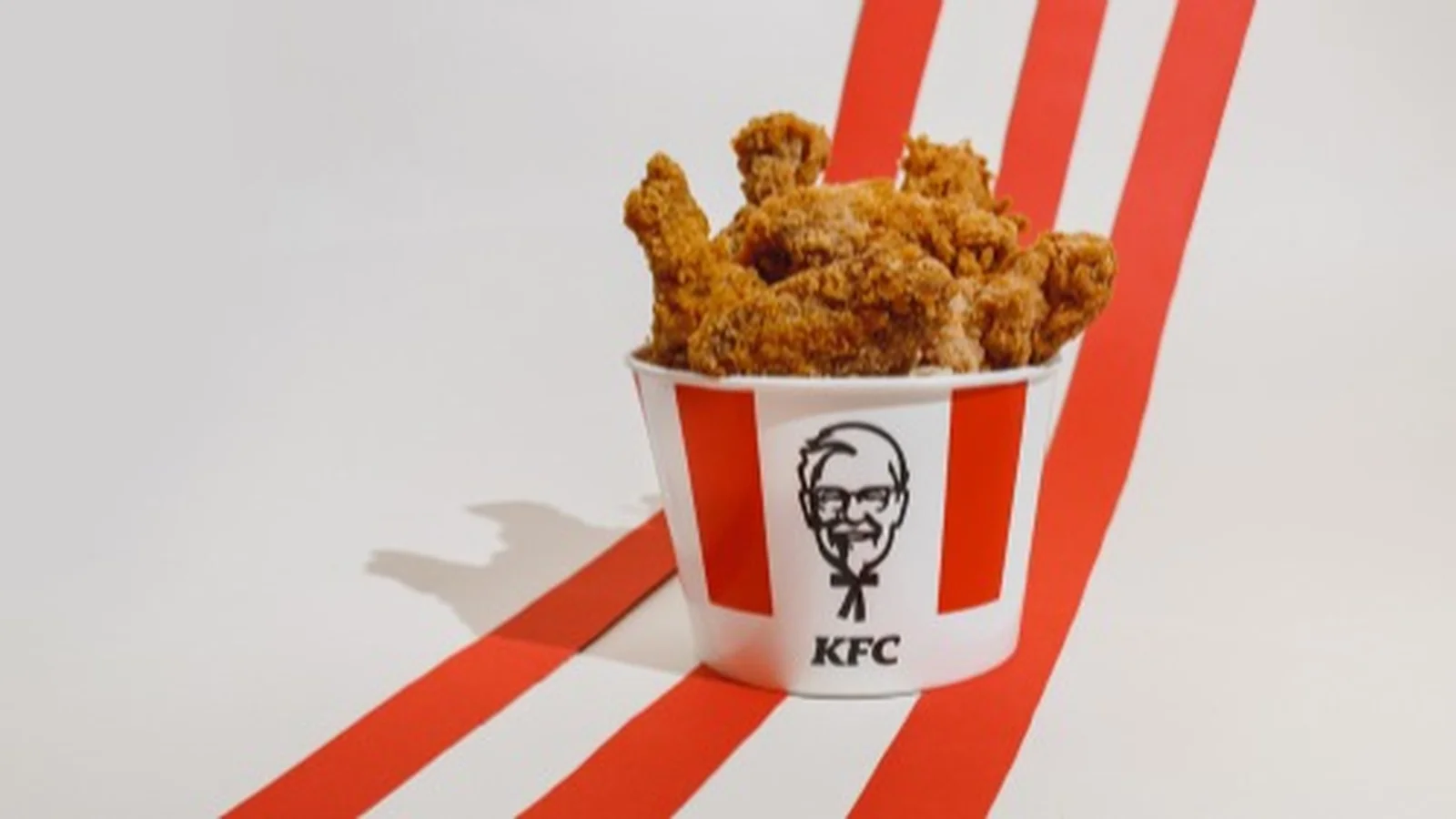
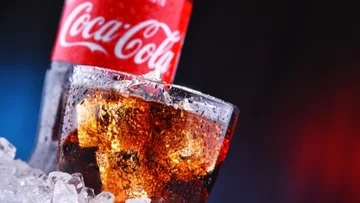
KFC's decision to replacePepsi with Coca-Cola beverage products across its U.S. restaurants marks the end of a nearly 40-year relationship, but the bigger story may be what the move reveals about the chicken chain's next chapter.
Catherine Tan-Gillespie, president of KFC U.S., said in the announcement that Coca-Cola "shares our ambition for the future of this brand, and I'm excited about what we can create together."
But what is that, exactly?
Beginning in January 2027, Coca-Cola products will roll out across KFC's approximately 3,700 U.S. locations, with the transition expected to be complete by spring. PepsiCo will retain its beverage agreements with KFC International and Taco Bell, where it has a customized and proprietary Mountain Dew product beloved by consumers.
On the surface, this is a major win for Coca-Cola and is a financial and symbolic loss for PepsiCo. The companies are competing for more than fountain-drink volume. Restaurant partnerships offer national distribution, brand visibility, opportunities for joint marketing and a platform for beverage innovation. For Coca-Cola, KFC adds another major U.S. restaurant brand to its foodservice network. For PepsiCo, the loss underscores the pressure to protect its restaurant business as it navigates a broader North American turnaround.
But for KFC, the decision may be about more than choosing between two cola giants.
Tan-Gillespie described the partnership as another step in the brand's effort to evolve its restaurants, strengthen its menu offering and create a more relevant experience for today's customers. Coca-Cola also has pointed to its broader beverage portfolio and innovation capabilities as opportunities to create new guest experiences and drive growth.
That language matters. KFC has been working to reinvigorate its U.S. business, including sharpening its value proposition and broadening its appeal to consumers. A beverage partnership can support those efforts through new drink offerings, meal combinations, marketing campaigns and potentially stronger traffic-driving promotions. Whether those opportunities translate into measurable sales growth remains to be seen.
Is a sale coming?
The switch also highlights how restaurant companies increasingly view beverage programs as strategic tools rather than simply a commodity purchasing decision. Yet there is another possibility worth considering: Could its parent company, Yum Brands, be positioning its KFC U.S. business for a potential sale?
Yum has already demonstrated its willingness to reconsider the ownership structure of its portfolio. In June 2026, the company announced agreements to sell Pizza Hut's businesses outside and inside mainland China in separate transactions, following a strategic review. Those deals closed in August.
That precedent makes it reasonable to ask whether KFC U.S. could eventually receive similar consideration. A more focused domestic strategy, stronger brand positioning and partnerships tailored to the U.S. market could, in theory, help make the business more attractive to a potential buyer. A new beverage agreement also could establish a clearer commercial relationship for a future owner, depending on its terms and transferability.
And, once sold, Yum's Pepsico contracts would all remain fully intact.
Still, the Coke switch is not evidence that a sale is planned. Beverage contracts change for many reasons, including economics, marketing support, product innovation and consumer demand. Neither the announcement nor the available information establishes that Yum! is preparing to divest KFC U.S.
My view is that the possibility deserves scrutiny, particularly after Yum's Pizza Hut decision. The more revealing question is whether the beverage switch is an isolated commercial move or one piece of a broader strategy to reshape KFC U.S. and maximize its long-term value.
For now, KFC has gained a new platform for beverage innovation. The more consequential story may be what Yum! ultimately intends to do with its U.S. chicken business — and whether the company sees greater value in rebuilding it within the portfolio or positioning it for a different future.
Related Media
Subscribe
Get the latest news and resources from QSR Web.
Recent Posts

Recent Podcasts