Operations
Insurance coverage for QSRs: keeping restaurants, staff, customers safe is policy no. 1
Driven by rapid post-pandemic growth, the booming $350 billion QSR industry faces significant operational risks that necessitate specialized insurance coverage, diligent maintenance documentation and partnerships with industry-expert brokers to ensure long-term protection.
February 27, 2026 by David DeLorenzo — Owner, Bar and Restaurant Insurance
 ChatGPT
 Grok
Grok Perplexity
 Claude
Dining continues to evolve and one of the biggest developments, particularly in the wake of COVID, was the wave of QSRs that flooded the market. By no means a new niche, QSR has been around for decades and is certainly a powerhouse — a $350 billion industry to be exact.
Post-COVID, fast-casual and QSR restaurants reported a 33% growth in sales since 2019, according to data from the Technomic Top 500 Chain Restaurant Report. Across categories from fast-casual chicken to QSR sandwiches, all sectors have showcase growth over the last several years — some reporting 50% and or more.
While evolution is a beautiful thing, some QSRs can have serious growing pains if they aren't prepared. One of the most important aspects of QSR — and every hospitality business — is proper insurance coverage. The right policy, or rather the wrong one, can make or break a business. Here are some of the top things QSR owners should know.
What they cover
It's important for QSR owners to ensure their policies cover the exposures in their restaurants and always read the exclusionary language. Understand how the business is rated. Restaurateurs need to find out if they are audited and what they could be audited on.
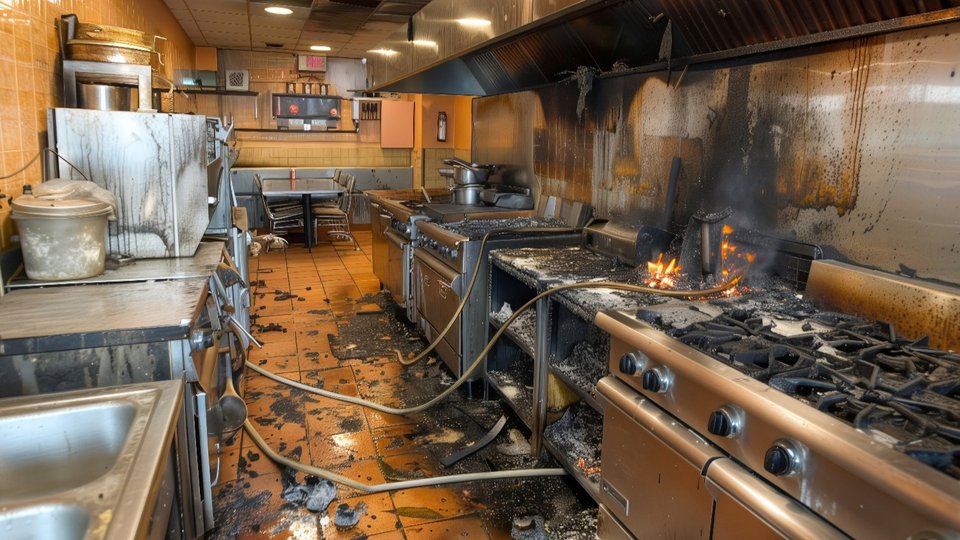
Furthermore, make sure maintenance contracts with vendors are current — such as hood cleaning and fire extinguishers, for example. The last thing a QSR wants is for non-maintained equipment to nullify their coverage.
While QSRs often are not met with the same level of risks that bars and liquor-focused establishments face every day, there are some risks they should be aware of. One of the biggest comes down to gaps in coverage. The constant growth that QSRs undergo can create gaps in coverage if their policy is not endorsed or reviewed regularly as the business grows. For example, an "oops" like forgetting to add a location or additional property at an existing location can put the QSR at risk for a gap in coverage.
QSR owners should also be aware of employee-related practice exclusion on many policies. These can oftentimes be a separate coverage that needs to be purchased beyond an establishment's regular QSR policy. It's also important to ensure the limits and coverage form on the QSR policy is indeed enough to cover a legitimate claim.
Though many QSRs may not serve liquor, for those that do, it is imperative that they look out for liquor liability exclusions that may be hidden in their policy. QSRs that do not serve liquor are much easier to underwrite and more manageable from a premium standpoint. Removing the risk of drinking and driving accident potentials can almost certainly create a more favorable underwriting risk.
However, even QSRs that serve alcohol will typically be better to underwrite due to the fact that patrons don't typically go there to drink in excess. These types of establishments are generally not open late to serve a drinking crowd, anyhow. The biggest exposure for these restaurants is making sure their staff is trained and understands the liquor laws for the state that they are in, especially when it comes to serving someone who is obviously intoxicated.
It's not all roses in the world of QSRs. The emergence of third-party delivery services has become a hot-button topic. It becomes a little murky in regard to who is really on the hook for the risks. Other challenges restaurateurs in this field are facing include employee injuries, staffing pressures, proper staff training, maintaining a safe environment, food safety and supply-chain issues, POS breaches and cybertheft.
Most of these issues can be mitigated with meticulous training, airtight in-house protocols (see more on this below) and a knowledgeable insurance broker who truly "gets it" when it comes to this unique niche. Restaurant owners should look for a broker and a carrier that both specialize in hospitality — they will know where to find the correct endorsements and add-on coverage that is needed to protect a properly running QSR at a cost that is competitive.
With the QSR industry continuing to skyrocket, it's more important than ever to find an agent that can grow with the company as it does and one that understands not only insurance but also the business and its structure. This can ensure consistency, trust and a long-term relationship between owner and agent that builds as the growth does.
General guidelines for restaurateurs
Ongoing training for every employee is essential, particularly in the case of QSRs that serve alcohol. Employees should be trained on the laws of the state as well as how to identify a potentially intoxicated individual.
Video footage goes a long way in protecting a business — from a lawsuit to a break-in. Timestamped recordings don't lie.
Proof of documentation is non-negotiable. Keep all documentation in a safe and easily accessible place. It is not enough to have insurance; QSR owners need to prove it when the time comes.
About David DeLorenzo

Featured Vendor

HungerRush brings every part of your restaurant together — orders, guests, data — in one platform built for fast casual and quick-serve multi-location brands ready to grow.
Subscribe
Get the latest news and resources from QSR Web.
Recent Posts