Operations
Fast food still cheaper than casual dining, but delivery fees erase gap, study finds
June 22, 2026
 ChatGPT
 Grok
Grok Perplexity
 Claude
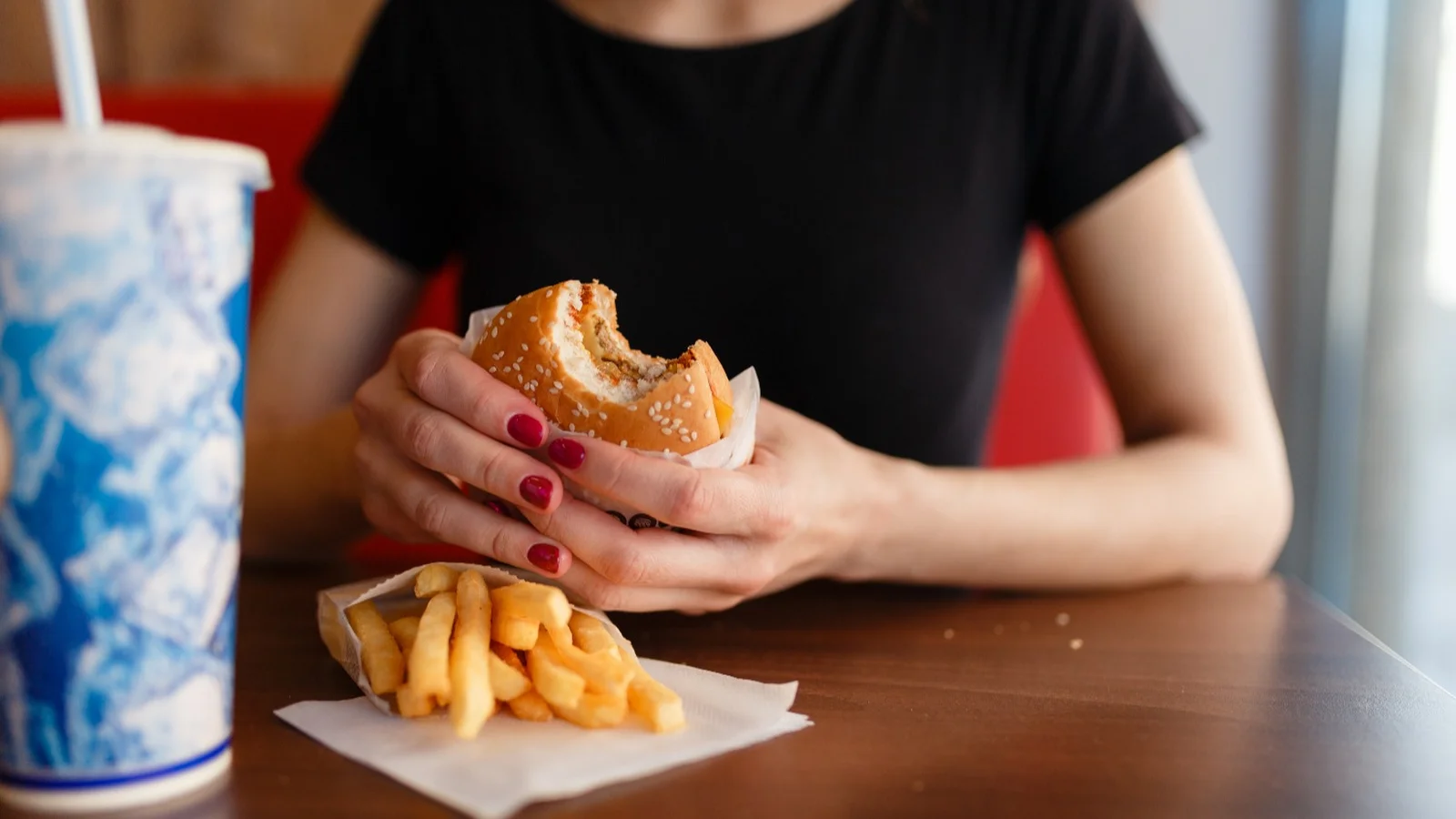
A quick-service restaurant meal is still less than half the price of casual dining at the menu level, but delivery markups, platform fees and tips can erase that advantage, according to a new analysis from Revenue Management Solutions, a restaurant consulting firm.
Drawing on its data of 61,000 restaurants representing 21 U.S. chains from April 2023 through May 2026, the study, "Fast Food is Still Half the Price of Casual Dining. Delivery is Hiding It", found that the average casual dining visit rose from $20.31 to $22.97, while the average quick-service combo moved from $9.46 to $10.29. While both segments raised prices in response to inflationary pressures, fast food moved at a slower rate, widening the dollar gap between the two segments from $10.85 to $12.68.
"There's a widely held view that the fast food channel has caught up to casual dining. The data tells a different story," Alex Messeder, vice president of client solutions for Revenue Management Solutions, said in a press release about the findings. "The two segments are moving in the same direction at different speeds, and the distance between them keeps growing. What's changing is the total transaction cost once you add in delivery."
The analysis found that a $10.29 quick-service combo ordered on a delivery app can reach $27.37 after in-app price markups, delivery fees, platform charges and tip are factored in. That is nearly the same as a casual dine-in visit with gratuity.
Consumers appear to be taking note. The firm's first-quarter consumer report found that delivery trails all other ordering channels. Just 52% of consumers report ordering delivery at least once a week, compared to 75% for both drive-thru and dine-in.
Delivery usage is one sign of ongoing consumer concern over restaurant affordability. Food-away-from-home prices rose 3.5% over the past year, compared with 2.7% for food at home, according to the U.S. Bureau of Labor Statistics.
For the first time since the firm began tracking consumer perception, more respondents, 72%, believe restaurant prices are rising, compared to 68% who say the same about grocery.
Subscribe
Get the latest news and resources from QSR Web.
Recent Posts


Recent Podcasts