Food & Beverage
QSR's bet big on beverages
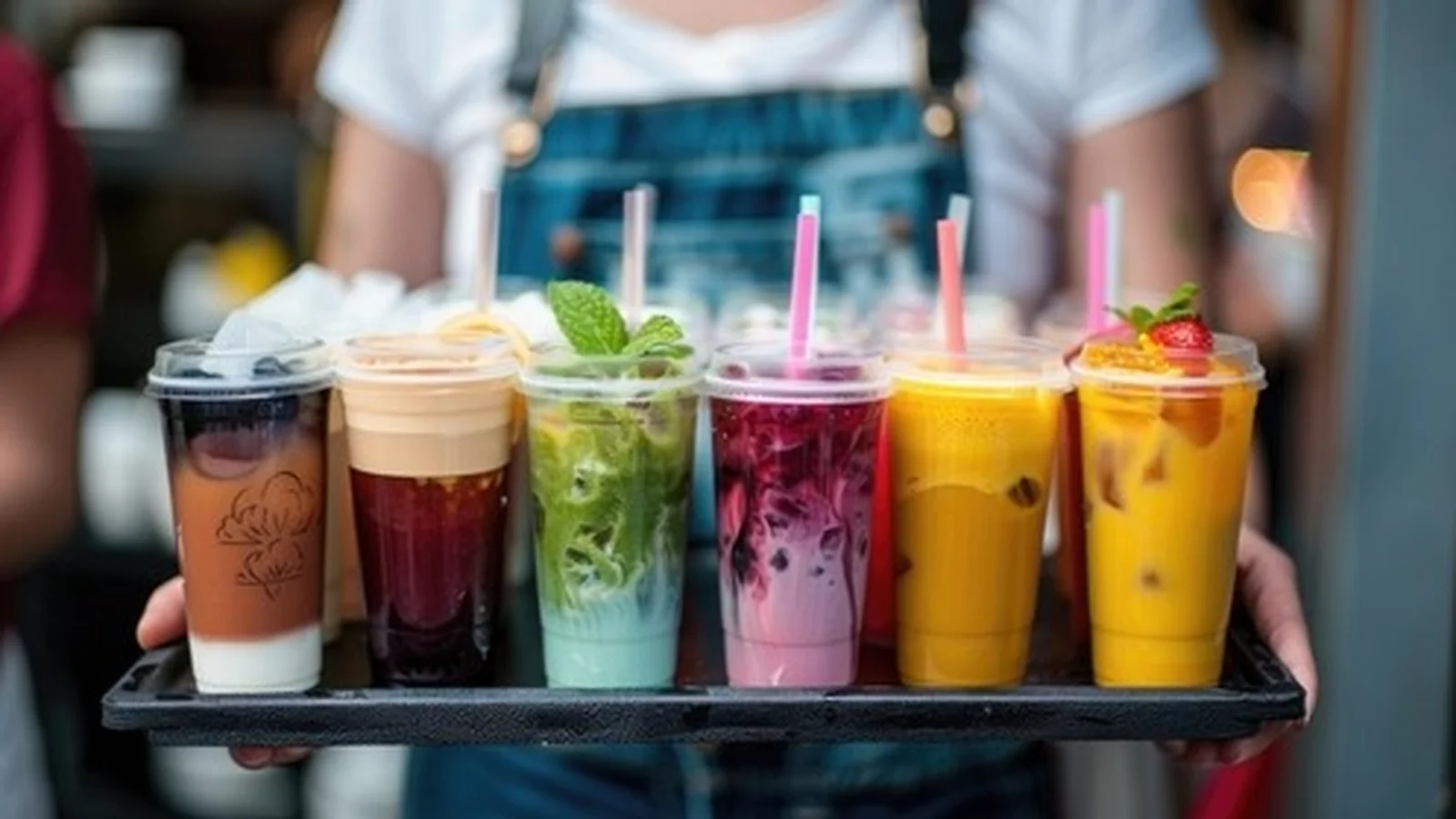
Beverages have moved from being a supporting menu category to a traffic-driving battleground, and the past three months show how quick service restaurants are broadening the definition of what a “restaurant drink” can be.
September 10, 2026 by Valerie Gritton — Editor, Pizza Marketplace
 ChatGPT
 Grok
Grok Perplexity
 Claude
The beverage battle in quick service is no longer simply about who has the best coffee, the coldest soda or the latest milkshake.
If you look at the data over the past three months, QSRs have increasingly treated beverages as a destination category in their own right — one capable of generating traffic, creating new dayparts and giving consumers an affordable reason to visit.
The shift has been especially visible this summer as beverages break boundaries beyond meal-time add-ons, from Sonic's banana-inspired collection to McDonalds' launch of Red Bull-infused energy drinks, and Taco Bell's 30-unit expansion of its Live Más Café concept.
McDonald's introduced its first nationwide lineup of Refreshers and crafted sodas in May. The six-drink launch brought freeze-dried fruit, cold foam and popping boba to the Golden Arches, with the company positioning the drinks as permanent additions rather than another short-term LTO.
By August, the burger giant had gone a step further, entering the energy drink category through a partnership with Red Bull. McDonald's also expanded its crafted soda platform with options including Vanilla Swirl and reduced-sugar versions.
That progression is significant and most likely ongoing as the chain looks to build a broader drink platform to address different areas of consumer needs — refreshment, indulgence and energy.
And McDonald's isn't alone.
The summer drink explosion
Taco Bell has been particularly aggressive in positioning itself as a beverage destination. In August, the chain rolled out six Refrescas nationwide, including Aqua Refrescas made with green tea and freeze-dried fruit. The company said it is targeting $5 billion in beverage sales by 2030, a lofty goal given the new battleground of beverage competitiveness among large chains.
But in a bigger move, Taco Bell announced the expansion of its beverage-focused Live Más Café concept, which features more than 30 specialty drinks, including Churro Chillers, specialty coffees, Refrescas and Dirty Mountain Dew Baja Blast Dream Sodas, each made by a dedicated drink barista.
And then there's Sonic. A chain that has historically used beverages as a way to drive traffic.
The chain introduced its first Refreshers lineup earlier this year, and by late summer pushed its beverage innovation even further with a "Hotumn" fall menu. The menu includes a lineup of iced, fall-inspired drinks with flavors such as Cherry Pie, Blueberry Pie Harvest Berry and Cranberry Orchard, proving that fall drinks can break from tradition.
Popeyes, meanwhile, used pineapple to extend summer with its Pineapple Lemonade, Frozen Pineapple Lemonade and Pineapple Iced Tea. And Del Taco expanded its Dirty Del specialty beverage lineup to five flavors and two sizes. Highlighting once more that beverages are paving the way for innovation and growth as QSRs are layering flavors, textures, caffeine, customization and visual appeal onto beverages, creating products in the process that can function as snacks, treats, energy boosts or standalone purchases.
Fall isn't slowing it down
If summer was about experimentation, fall is showing that beverage innovation isn't going away.
Instead, brands are taking the familiar seasonal playbook and stretching it beyond the consumer favorite pumpkin spice.
While Starbucks brought back its Pumpkin Spice Latte on Aug. 25, the debut came alongside a Pumpkin Cream Cold Brew and Iced Pumpkin Cream Chai, once again turning the arrival of a beverage into a cultural marker for the season, but with new and expanded flavor profiles.
Dunkin' also brought its fall menu back Aug. 19, with pumpkin beverages joined by other seasonal offerings. On Sept. 8, the chain amplified the launch with a Spice Girls-themed campaign built around its Pumpkin Spice lineup.
Dutch Bros is taking a similar approach but with a wider flavor palette. Its fall lineup includes the returning Caramel Pumpkin Brûlée and Cookie Butter drinks, along with a new Autumn Berry.
The Coffee Bean & Tea Leaf also is moving beyond the expected pumpkin playbook with the launch of three hojicha beverages. The roasted Japanese green tea has a smooth, nutty flavor and a naturally lower caffeine profile than traditional green tea, giving the chain a new way to approach fall beverage innovation. The lineup includes an Iced Pumpkin Hojicha Latte, Iced Hojicha Latte and Hojicha Ice Blended Drink. Not to turn off its consumer base, the drinks were launched alongside the return of its seasonal pumpkin favorites.
With the fall and winter beverage cycle already underway, the next phase of beverage innovation could be even more interesting.
The interesting question will be whether brands continue relying on the traditional winter flavor playbook of peppermint, mocha, caramel and cinnamon. Or, will experimentation carry forward with flavors such as cranberry and cardamom?
The past few months suggest the latter.
QSRs have already demonstrated a willingness to move beyond conventional categories as more drinks are getting fruit inclusions, cold foam, popping boba, energy ingredients, unexpected flavor combinations and even dirty-soda formats. All in an effort to bring in consumers for more than a meal.
According to the National Restaurant Association's latest data, beverages are one of the industry's most dynamic areas for innovation and a potential driver of both sales and dayparts. For QSRs, that makes the beverage menu more than an accessory to the food. Here are five trends to anticipate:
1. Energy drinks become mainstream QSR menu items. The McDonald's-Red Bull partnership is unlikely to be the last major move into energy, and could provide a new daypart focused on afternoon pick-me-ups. Expect more chains to explore energy as an afternoon and early-evening traffic driver.
2. Cold foam keeps expanding. Cold foam has moved well beyond specialty coffee. Its ability to add texture, flavor and visual appeal to an existing beverage makes it a relatively simple way to create premiumization.
3. Refreshers become platforms for innovation, not products. Fruit-forward drinks can accommodate green tea, energy, lemonade, and iced tea inclusions. That flexibility makes them particularly attractive to QSR menu developers as they move into colder months.
4. Seasonal beverages get less seasonal. Pumpkin will continue to dominate fall, but chains are proving they can build seasonal demand around apple, maple, berry, banana and other flavors — whether those drinks are served hot or cold.
5. The beverage-only visit becomes more important.Perhaps the biggest shift is behavioral. The more chains invest in specialty drinks, the less beverages need to be attached to a meal simply to justify the visit. That's particularly important as restaurants look for affordable traffic drivers during the holiday shopping season, and consumers look for small, accessible indulgences that provide value and a reason to visit their favorite chain.
Subscribe
Get the latest news and resources from QSR Web.
Recent Posts
Recent Podcasts