Food & Beverage
National Restaurant Association: Beverages give brands daypart, sales boost
August 25, 2026
 ChatGPT
 Grok
Grok Perplexity
 Claude
Beverages are becoming one of the most dynamic and innovative growth drivers in the restaurant industry, according to the National Restaurant Association's 2026 Restaurant Beverage Trends report. The report, supported by presenting sponsor The Coca-Cola Company, highlights the growing role beverages play in driving consumer engagement and restaurant traffic.
According to a NRA press release, their research reveals that restaurants are increasingly looking to serve as destinations for beverage discovery, while consumers, especially Gen Z and millennials, are fueling demand for new flavors, expanded menus and beverage-centric experiences.
An overwhelming majority (87%) of full-service operators and 80% of limited-service operators say beverages can be an important driver of restaurant traffic, while majorities in both segments say offering a larger variety of beverages is more important than it used to be.
"Beverages are more than just a drink for today's consumers — they're looking for something that feels personal, memorable, and worth going out for," Michelle Korsmo, president and CEO of the National Restaurant Association, said in the press release. "Our Restaurant Beverage Trends report shows a real opportunity for restaurant operators. Beverages can help restaurants stand out, deliver more value to guests, and drive growth through an elevated experience, unique flavors, and customizable options."
This can be seen on how brands across the segment have launched beverage platforms in recent months, from Dunkin's Barbie partnership and line of drinks to Taco Bell's Refresca launch and Sonic's banana-inspired beverage line.
According to the report, 72% of surveyed consumers say restaurants are a good place to learn about beverages they've never tried before, while 54% say they enjoy being adventurous when selecting a beverage. More than half of consumers also say they wish there were more beverage choices on restaurant menus.
Younger consumers are leading the trend as 71% of both Gen Z and millennial consumers say their favorite restaurant beverages provide flavor experiences that cannot easily be replicated at home, and roughly seven in 10 younger adults want more beverage options on menus.
The beverage-only occasion takes off
Beverage-only purchases are emerging as a major growth opportunity for restaurants in today's value-driven consumer landscape, particularly among younger generations as 37% of consumers make beverage-only purchases at least weekly, including 50% of Gen Z adults and 47% of millennials.
As consumers become more selective with discretionary spending, and as broader wellness trends, including GLP-1 use, continue to reshape dining habits, beverages are increasingly serving as an affordable indulgence and a standalone occasion.
The afternoon is the most popular time of day for beverage-only purchases, creating new opportunities for restaurants to drive traffic beyond traditional meal occasions.
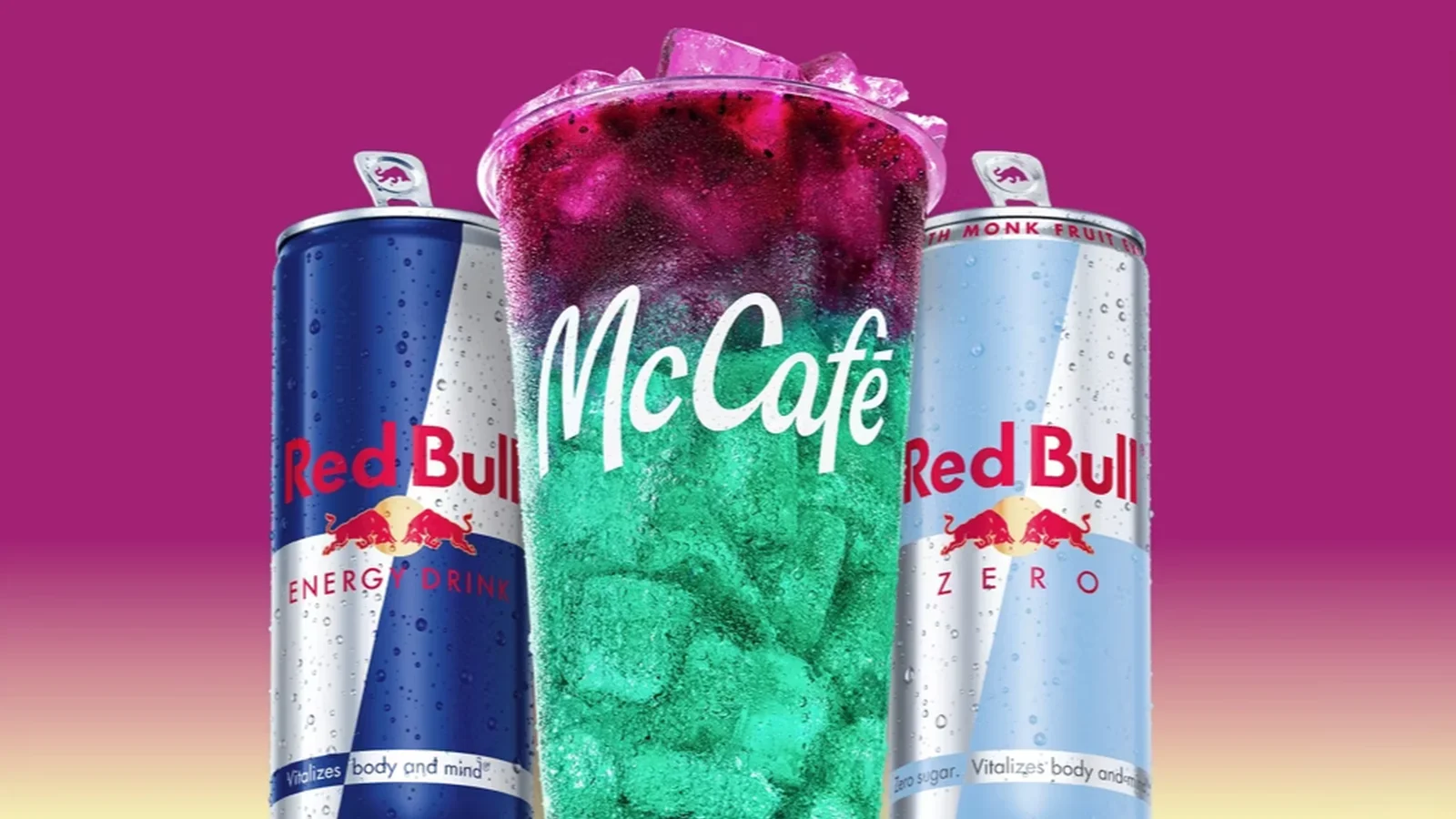
During McDonald's Q2 earnings call, CFO Ian Borden said the company's Red Bull line of beverages is driving in more incremental traffic and coming in after lunch specifically for drinks.
"That's really compelling for us because it's at parts of the day where we have lower volume, more capacity and I think it's a sign that we're getting incrementality as a new occasion because of the beverages," he said during the call.
While consumers frequently order beverages when dining on premises, beverage attachment rates remain lower for delivery and takeout occasions. The report identifies packaging innovation as a major growth opportunity.
Eighty-three percent of delivery customers say they would include beverages in delivery orders more often if improved packaging allowed restaurants to offer more beverage options. Among Gen Z and millennial consumers, that figure rises to 89%. Additionally, two-thirds of restaurant operators say they would increase beverage promotion for delivery if packaging improvements made transportation easier.
Operators are prioritizing smarter beverage menus
Rather than adding more beverages, restaurant operators are looking to add the right beverages to their mix. As consumers seek more variety, functionality and beverage-led experiences, operators are refreshing menus to capture evolving demand. Limited-service operators are focused on growth categories such as coffees (46%), teas (31%), smoothies (29%), lemonades (27%), energy drinks (26%) and wellness beverages (24%).
In the QSR space, McDonald's line of Red Bull drinks has been highly successful for the chain since the company's May launch of a new beverage platform.
"Early results exceeded our expectations across our lead markets of the U.S., Canada and Germany. In the U.S., sales are ahead of plan. Guest checks are higher, and we're seeing new occasions emerge throughout the day. We've also seen strong food attachment rates on these orders. The addition of Red Bull Energizers in the U.S. in the coming weeks will only further this momentum," McDonald's CEO Chris Kempczinski said during the company's Q2 earnings call.
Dunkin's Barbie Pink Strawberry Cold Foam, which launched in June also has been a successful collaboration for the chain and included a lineup of seven beverages.
Related Media
Subscribe
Get the latest news and resources from QSR Web.
Recent Posts

Recent Podcasts