Franchising
How Jollibee protects brand culture while expanding franchise operations
Defying the industry's rapid-growth mentality, Jollibee is executing its North American franchise expansion through a highly selective, 90-day vetting process to ensure partners align with the brand's culture and possess the operational maturity to handle its high-volume restaurants.
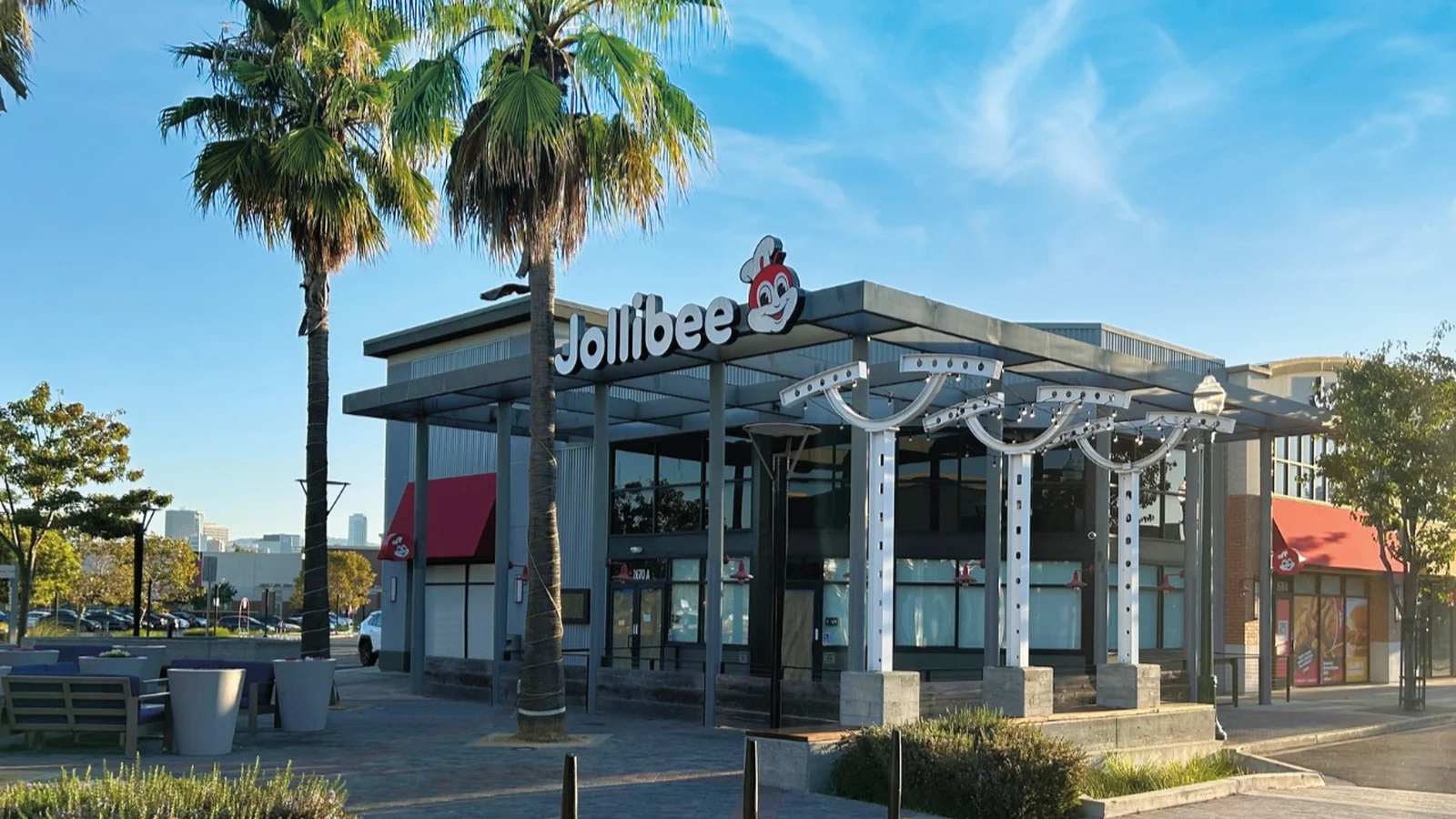
August 14, 2026 by Mandy Wolf Detwiler — Editor, Connect Media
 ChatGPT
 Grok
Grok Perplexity
 Claude
In an industry notorious for a "growth-at-all-costs" mentality, Jollibee is taking a markedly different approach to its North American franchise expansion: saying no.
Despite launching its highly anticipated franchise program in March 2025, the beloved fried chicken chain relies on a stringent, values-driven qualification pipeline designed to weed out even the most experienced mega-franchisees if their operational maturity doesn't align with the brand's unique culture. With the exception of three locations, all of Jollibee's roughly 115 North American stores are company-owned and operated.
 |
Peter Wright, vice president of franchising for Jollibee. Photo: Jollibee |
A calculated pivot to franchising
"Because of the success of those stores, the additional growth opportunity we saw, and our global experience in franchising, we made the decision that we're going to use franchising as a model to grow Jollibee in addition to future company store development," Peter Wright, vice president of franchising, said in a phone interview with QSRweb.com.
The brand decided early on to be highly selective with its partners. Qualifications include strict financial benchmarks, net worth, liquidity, and the ability to finance development.
Crucially, franchisees must also possess extensive operating experience in the restaurant industry so they can build a team and establish the infrastructure required to support multi-unit development.
The right fit over rapid growth
Jollibee has cultivated a strong culture and a fervent fan base. Naturally, leadership looks for franchisees who share those values and the overall vision for the brand. Wright noted that being intentionally exclusive actually drives higher-quality multi-unit operators into the Jollibee pipeline.
"There are a lot of really great, successful franchisees that run great businesses, but not all are the right fit," Wright explained. "I think our process is helping us to determine who are the right prospective franchisees for us to develop with. … More and more people are understanding the opportunity of franchising with Jollibee, and that's also driving what I would say is a higher quality or a better-aligned prospect that we're engaging with."
Inside the 90-day vetting process
The journey to becoming a Jollibee franchisee takes approximately 90 days and follows a rigorous, multi-step pipeline. The process begins with an initial inquiry, where prospects submit basic information detailing their desired development area and verifying they meet financial and operational criteria. If the initial criteria are met, a preliminary phone call is scheduled. Following a successful introductory call, Jollibee discloses the Franchise Disclosure Document, which then leads to a more in-depth conversation to discuss the details of the agreement.
From there, the prospect must submit a comprehensive business plan and undergo a panel interview with Jollibee's leadership team. Candidates who advance are invited to a Discovery Day at the brand's headquarters in West Covina, California. "That's a great opportunity where they can meet the leadership team and different departments, ask questions, and learn more about Jollibee," Wright said. The visit includes store tours and serves as a vital relationship-building milestone. To cap off the vetting process, Jollibee's leadership conducts their own due diligence by traveling to visit the prospect's current businesses, meeting their local teams, and observing their operational style in their home market.
 |
Photo: Jollibee |
Navigating drop-outs and contract hurdles
When potential franchisees drop out of the running, Wright noted that it usually happens at one of two stages: either the prospect lacks the necessary operational experience and financial resources, or their desired market is simply not available. The final point of contention often comes down to the franchise and multi-unit development agreements.
"Everybody looks at the contract. We're entering into a 20-year relationship — and potentially 40 years with a renewal — and they may look at some aspect of a contract and just say, 'Hey, I'm not comfortable with that.' It may be something that we don't find a negotiated solution for, but that's fine," Wright said. "Not every opportunity is for every person."
 |
Photo: Jollibee |
High-volume complexity and cultural authenticity
Multi-unit operators often look flawless on paper, but to truly understand a prospect's capabilities, "nothing beats going to a restaurant that they're currently operating and experiencing that," Wright noted. "It just tells you so much."
There are varying qualitative levels of operations in the restaurant industry, from a simple tea shop or sandwich chain to a complex, full-service brand. Jollibee locations are high-volume, busy, and operationally complex. In 2025, the brand's free-standing restaurants averaged $4.9 million in gross sales, while inline operations topped $5 million. The brand strictly seeks franchisees equipped to handle that demanding environment. Wright added that while they have talked to some well-known, large-scale franchisees, walking away isn't necessarily about "turning them down"; it's frequently a matter of poor timing and planning.
Ultimately, Jollibee boasts a passionate, built-in fan base, and franchisees must be able to authentically represent and lead the brand. With its rich Filipino American heritage, Jollibee is proving that great taste transcends cultures, borders, and countries across its global markets.
"What I like to say is, you don't have to explain to anybody what great fried chicken is, right? People respond and they love it, but they're also discovering new things," Wright said. "It's not about a specific background or cultural identity; it's about the shared values and looking to deliver on the promise of the brand — and, really, a commitment to outstanding operations so that every experience with that customer is a joyful experience."
About Mandy Wolf Detwiler

Mandy Wolf Detwiler is the Pizzamarketplace.com and QSRweb.com editor for Connect Media. An award-winning journalist, Mandy brings more than 20 years’ experience covering food, people and places. Mandy has been featured on the Food Network and has won numerous awards for her coverage of the restaurant industry. She has an insatiable appetite for learning, and, yes, she can tell you where to find the best pizza slices in the country.
Related Media
Subscribe
Get the latest news and resources from QSR Web.
Recent Posts

Recent Podcasts