Delivery
Uber’s ezCater deal puts catering growth, margins and customer loyalty in focus
Uber's agreement to buy ezCater could put workplace catering in front of a much larger audience. For restaurant operators, however, the announcement raises a variety of issues.
October 6, 2026 by Richard Slawsky — Editor, Connect Media
 ChatGPT
 Grok
Grok Perplexity
 Claude
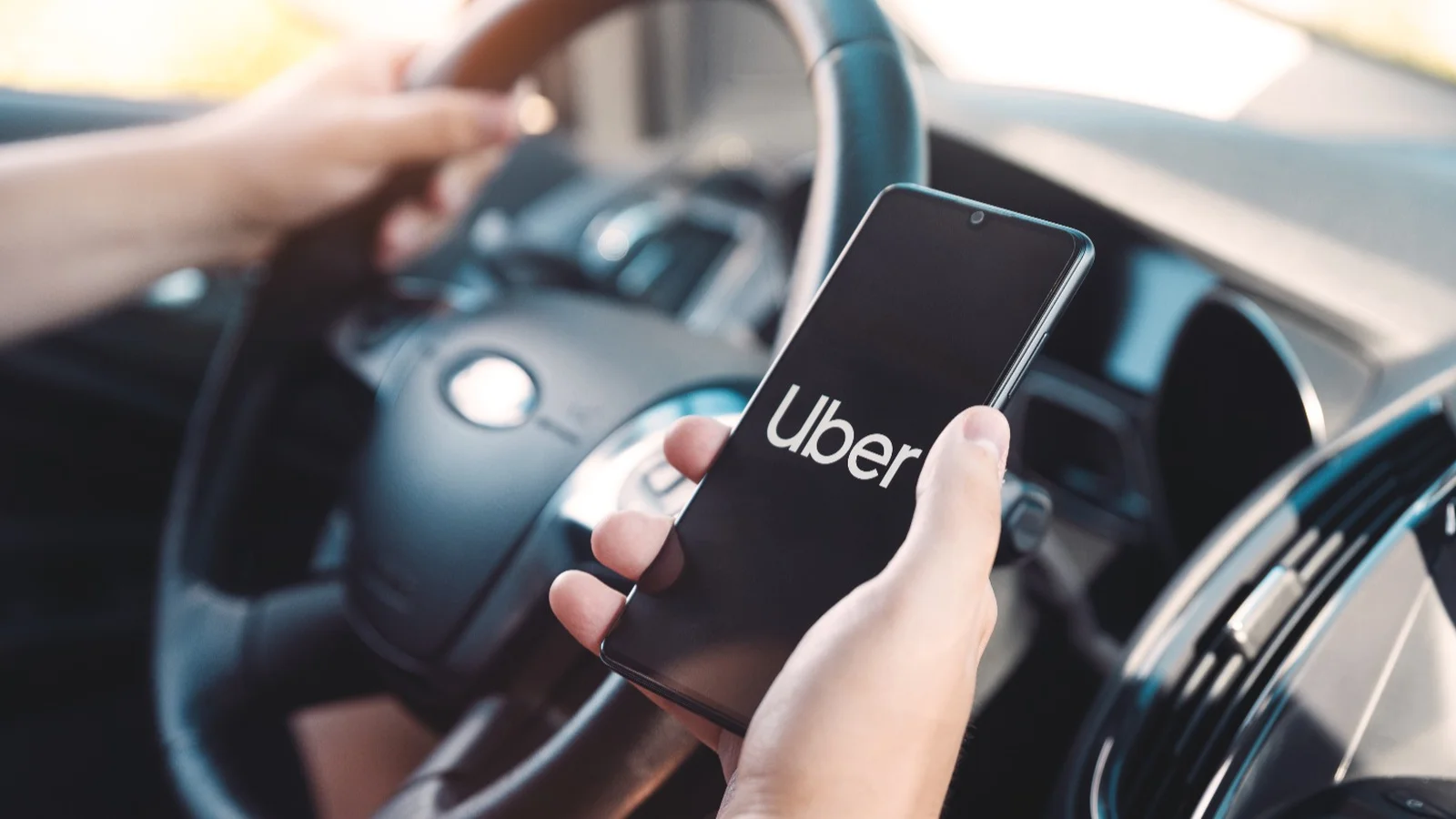
Uber's agreement to buy ezCater could put workplace catering in front of a much larger audience. For restaurant operators, however, the announcement raises a more immediate question: Will that reach produce profitable new customers, refocus efforts on direct orders, or make their catering businesses more dependent on a third-party platform?
Reactions from restaurant operators and technology providers suggest the combination could expand demand while prompting brands to strengthen direct ordering and customer relationships.
Uber announced Oct. 6 that it had agreed to acquire ezCater for $2.3 billion in cash. The transaction is expected to close in the coming months, subject to regulatory approvals and other customary conditions. Its effects on commissions, rewards and restaurant relationships remain unsettled.
The deal combines ezCater's catering expertise with Uber Eats' network and Uber for Business's corporate relationships. ezCater serves more than 140,000 restaurants and generated over $2.5 billion in annual gross bookings — the value of platform orders, rather than revenue.
Average orders exceed $400. Uber says ezCater is profitable on a non-GAAP operating income basis and expects it to improve margins.
More reach, but whose customer?
Restaurants could reach more office administrators, meeting planners and employers buying recurring meals. A familiar ordering platform could simplify purchases and introduce brands to corporate accounts.
However, serving a new office does not necessarily establish a direct relationship. Restaurants may continue paying marketplace fees to reach the same buyers repeatedly.
That distinction helps explain the response from Gracie Prasanson, vice president of sales at Jason's Deli.
"I was very surprised by it being Uber Eats because of the difference in companies. I'm hoping it will shake things up and bring more customers back to first-party (direct) ordering," Prasanson said.
Direct ordering is Prasanson's hope, not an announced outcome as restaurants seeking it must compete on convenience, reliability and support.
Mike Dolinger, vice president of operations at California Tortilla, said the platforms have strengths but there's also room to improve costs, support and usability.
"Simply put: What gets better for the operator as a result of this partnership?" Dolinger said.
Jeremy Theisen, chief revenue officer at Hang, was more critical, describing insufficient restaurant account support based on his experience as a merchant.
"This is terrible for the industry," Theisen said. "Uber Eats is the worst 3PD platform in my experience as a merchant. They do not have enough people to service their restaurant accounts. They did a price increase recently for Uber Eats. I was actually working on renegotiating our rates with them and they raised it 1.5% even though they knew we were looking at going exclusive with DoorDash."
Theisen is not alone when it comes to concerns of rate increases.
Brittany Mercer, director of off-premises sales at Cowboy Chicken, questioned how the combination would affect her brand. Mercer said Uber raised the commission rates of small brands, including Cowboy Chicken's, to 28% in the second quarter.
"I don't know what it means," she said of the acquisition. "What is it going to look like for my brand, especially since Uber just raised commissions to 28%."
Mercer sees platforms such as ezCater's as just another ordering option for guests. But from a restaurant business perspective, do the benefits outweigh the costs?
Direct ordering can offer a more durable relationship, but restaurants must earn that business through reliable service, easy payment and responsive support. A corporate buyer will not necessarily abandon a convenient marketplace simply because a restaurant prefers a direct transaction.
The rewards question
Arya Rashtchian, co-founder and CEO of OmniRev, which helps brands grow direct catering business, sees a potential opening if Uber changes ezCater's rewards structure.
"What I think it will change is that the rewards program (ezCater offers) will go away," Rashtchian said.
He believes rewards-driven buyers could seek alternatives, opening opportunities for restaurants' loyalty programs. OmniRev has a commercial interest in growing direct orders.
Uber has not announced plans to eliminate ezRewards or reduce benefits so Rashtchian's prediction remains speculative.
The larger issue is what creates loyalty. Rewards can influence where a buyer places an order, but so can consolidated spending tools, reliable delivery and help when something goes wrong.
Catering requires a different delivery standard
While Uber's network could expand coverage, catering requires adequate vehicle capacity, temperature control, building access and precise arrival times.
A delayed catering delivery can disrupt an entire meeting and jeopardize a recurring account. Preserving service standards will be central to the combination's value.
Competition could intensify for routine drop-off catering. Caterers providing staffed events, setup and customized hospitality have more ways to distinguish themselves.
Employers could manage meals more easily across offices and changing headcounts. Catering may compete with cafeteria spending while complementing unattended retail outside scheduled meals.
For corporate buyers, the potential benefit is fewer systems for ordering, budgeting and resolving problems. That convenience could encourage recurring purchases, but it would not guarantee lower prices. Restaurants would need to weigh promotional offers against their total cost of participation, while employers assess whether the service consistently delivers complete orders on time.
Greater reach will matter only if service and restaurant economics improve alongside it. Commissions, rewards and access to customer relationships will determine how much of the growth operators retain.
About Richard Slawsky
In addition to writing, Slawsky serves as an adjunct professor of Communication at the University of Louisville and other local colleges. He holds both a Bachelor’s and a Master’s degree in Communication from the University of Louisville and is a member of Mensa and the National Communication Association.
Related Media
Subscribe
Get the latest news and resources from QSR Web.
Recent Posts

Recent Podcasts