Operations
Five Ways Multi-Unit Operators Can Cut Kitchen Equipment Costs
October 6, 2026 by Vijay Sood — Executive Vice President of Corporate Accounts, TriMark USA
 ChatGPT
 Grok
Grok Perplexity
 Claude
As restaurant margins tighten, operators are looking for every opportunity to control costs. Food and labor get the most scrutiny – and for good reason, since they're the top operating expenses. But one of the biggest costs multi-unit restaurant operators face gets far less attention: kitchen equipment.
The purchase price is just the beginning.
 Repairs, downtime and service costs add up over the life of every piece of equipment. And for multi-unit restaurant operators, those costs compound across every location.
Operators can capture significant savings when they shift from a transactional mindset to a lifecycle one. Instead of focusing only on short-term upfront costs, restaurant operators who consider how these units will live and run inside kitchens – every shift and every day – get a more accurate picture of total expenses and ways to save.
Here are five strategies for cutting kitchen equipment costs:
1. Total cost of ownership analysis
The upfront purchase price of a new piece of equipment doesn't reflect what the unit will cost to operate over its lifespan. That's the thinking behind total cost of ownership (TCO) analysis, which reveals all the operational costs that are often overlooked, such as maintenance and repair, downtime, useful life, and energy usage. Operators can approach TCO in a variety of ways. ENERGY STAR has a calculator to determine utility cost savings, dealers can help build TCO comparisons for different models, and operators can conduct their own calculations using inputs from manufacturer spec sheets and their own operational data. What's important is the way of thinking when considering purchasing new equipment. The reach-in refrigerator that costs less today won't necessarily save you money in the long run.
2. Value engineering
Some people assume value engineering simply means replacing a spec'd unit with a less costly one. In reality, it's a more strategic process. The goal is to identify equipment that delivers the functionality operators need at the lowest cost. You start by determining your kitchen's design and demand and then look for equipment that's less expensive to own over its lifetime. If you're looking at a set of comparable units, consider whether one is more energy efficient than the others, whether the multi-functionality of one model can replace multiple pieces of equipment, or whether a lower-capacity unit can meet the kitchen's actual needs. Rather than replacing name-brand equipment with less costly alternatives, value engineering is about accomplishing the same job with less equipment or at a lower cost.
3. Renting vs. buying
For operators with limited budgets, renting equipment can significantly reduce cash flow, which may be more important – even if they end up paying more in the long run. Renting has other financial benefits, too. Lowering upfront investment through renting can free up cash that can work harder in a different area, such as marketing to drive foot traffic. Another advantage of renting is that it makes expenses more predictable. The monthly rental price for an ice machine won't change under a fixed-term agreement, and you eliminate surprise service and repair bills. Renting can also help offset the high acquisition cost of top-brand equipment, making it a practical option when requirements demand the performance and precision associated with those brands.
4. Proactive equipment replacement
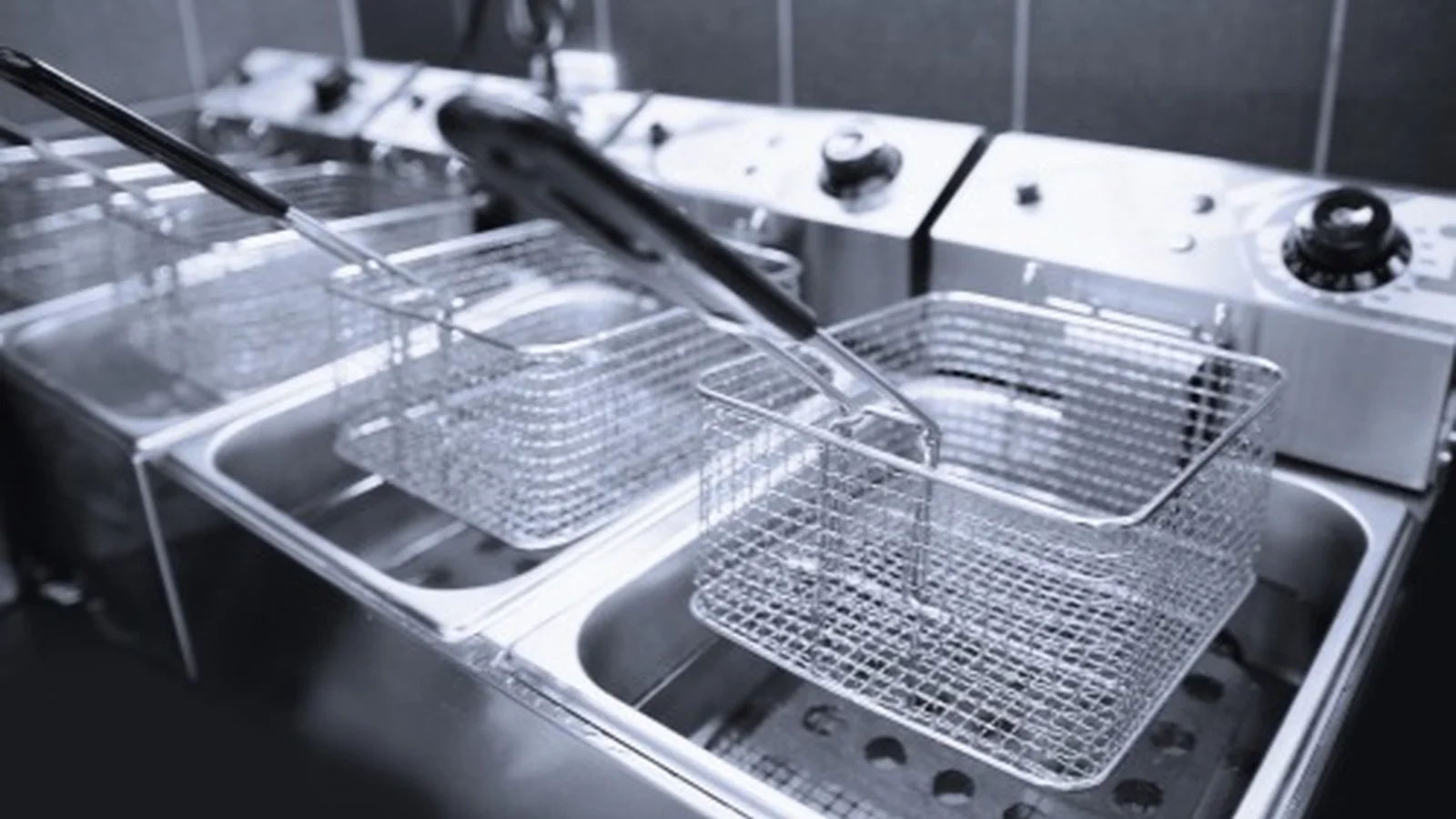
Proactively replacing equipment, instead of waiting for equipment to fail, can prevent lost revenue from downtime and added costs from emergency repairs. The key is knowing when to replace equipment. That decision becomes easier when you know equipment is nearing its estimated lifespan and has a history of documented failures and repairs. Maintaining an asset management system gives you the information needed to make those informed decisions. The system, which can range from sophisticated software to spreadsheets, tracks key information about all your equipment throughout its lifecycle, including repair history, downtime and equipment age compared with industry standards. An asset management system is a valuable decision-making resource. It can help you determine whether to proactively replace an aging fleet of griddles across your system when cash flow is strong or before a busy season, or replace rather than repair a fryer that is down and has a documented history of repairs.
5. Warranty management and utilization
Unnecessary repair costs are another category of expenses that quietly add to the total cost of ownership. These are repairs that would have been covered by warranties but weren't, either because the operator didn't know they were under warranty or because they failed to document warranty requirements. It's easy to see how this happens when you're running 10 locations, with 40 pieces of equipment each, all with their own warranty terms and expiration dates. This is another area where an asset management system pays off. Keep track of information like purchase dates, serial numbers, warranty expiration dates, service requirements and proof of purchase. Some warranties require specific maintenance or servicing to remain valid, so having that information readily available can help operators avoid inadvertently voiding coverage. Keeping all this information up-to-date and handy makes it a lot easier to ensure warranty claims are properly handled when scrambling to repair a fryer before a peak service period.
*Vijay Sood is Executive Vice President of Corporate Accounts at TriMark USA. North America's largest provider of design services, equipment and supplies to the foodservice industry. With a national distribution footprint and expertise spanning design, build, sourcing and beyond, Vijay and his team help QSRs, franchises, multi-unit operators and emerging chains improve efficiency and achieve long-term success at every stage of operation.
About Vijay Sood

Vijay Sood is Executive Vice President of Corporate Accounts at TriMark USA, North America’s largest provider of design services, equipment and supplies to the foodservice industry. With a national distribution footprint and expertise spanning design, build, sourcing and beyond, Vijay and his team help QSRs, franchises, multi-unit operators and emerging chains improve efficiency and achieve long-term success at every stage of operation.
Related Media
Subscribe
Get the latest news and resources from QSR Web.
Recent Posts




Recent Podcasts